The Truth About Hyaluronic Acid in Skincare
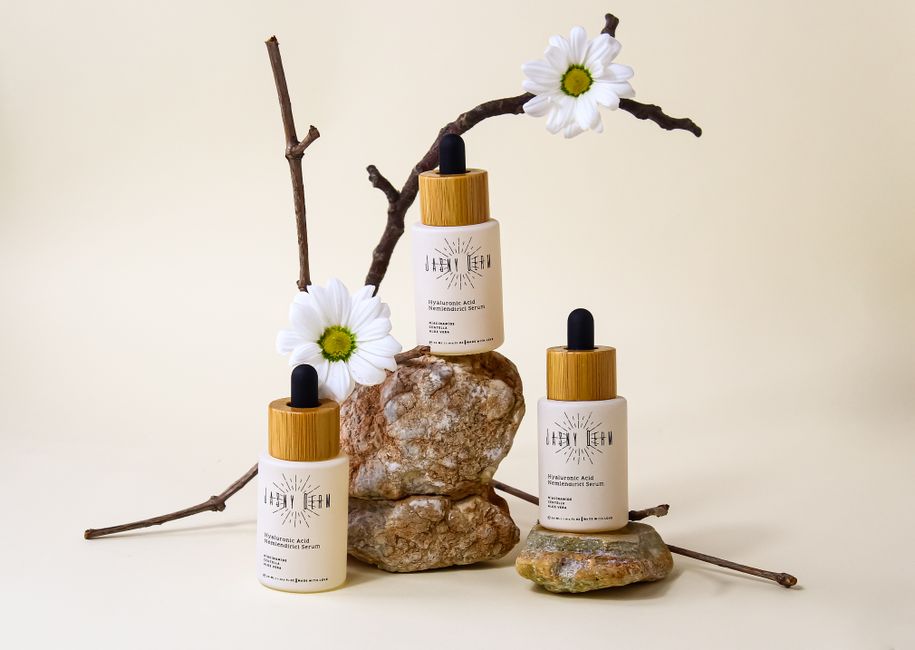
Hyaluronic acid has become a ubiquitous ingredient in skincare, appearing in everything from serums to moisturizers. Its reputation as a hydrating powerhouse stems from its ability to attract and retain water. Yet, the mechanisms behind its effectiveness are often oversimplified. This article examines the science of hyaluronic acid, focusing on the role of molecular weight and how different formulations influence its behavior on the skin. By understanding these factors, consumers can make more informed decisions about the products they choose.
At its core, hyaluronic acid is a glycosaminoglycan, a naturally occurring polysaccharide found in the body. In the skin, it contributes to moisture retention and tissue hydration. However, the way it interacts with the stratum corneum depends on its size. The term ‘hyaluronic acid’ actually encompasses a range of molecular weights, each with distinct properties. This complexity is key to evaluating the efficacy of skincare products.
Understanding Molecular Weight and Penetration
Molecular weight refers to the size of the hyaluronic acid molecule, which directly influences its ability to penetrate the skin. High molecular weight hyaluronic acid consists of large molecules that form a film on the surface, providing immediate surface hydration and reducing water loss. This occlusive effect can make the skin feel smooth and temporarily plumped. However, its penetration is limited, as the molecule is too large to pass through the intercellular lipids of the stratum corneum.
In contrast, low molecular weight hyaluronic acid has smaller molecules that can penetrate deeper into the epidermis. This allows it to deliver moisture to the deeper layers, potentially offering longer-lasting hydration. Some research suggests that low molecular weight hyaluronic acid may stimulate collagen production and have anti-inflammatory properties. Yet, the benefits are not universally agreed upon, and deeper penetration might also increase the risk of irritation in sensitive individuals.
The concentration of hyaluronic acid in a product also plays a role. Higher concentrations do not necessarily translate to better outcomes, as the molecule’s capacity to hold water is finite. Moreover, the formulation’s delivery system, such as liposomes or nanoparticles, can modify how the ingredient interacts with the skin. Therefore, the effectiveness of a hyaluronic acid product depends on a combination of molecular weight, concentration, and the overall composition of the formula.
Formulation Matters: How Hyaluronic Acid Works
The efficacy of hyaluronic acid is significantly influenced by the formulation in which it is presented. In a serum, hyaluronic acid often comes in an aqueous solution designed for rapid absorption. The presence of other humectants, such as glycerin or propylene glycol, can enhance overall hydration. Additionally, the pH of the product can affect the ionization of the hyaluronic acid, potentially altering its interaction with the skin’s natural barrier.
In moisturizers, hyaluronic acid is typically combined with occlusives like petrolatum or natural oils to seal in moisture. This combination can be more effective than a serum alone, as it addresses both hydration and water loss. The texture of the product also matters; a gel formulation might feel lighter, while a cream provides more emollience. Consumers with oily or dry skin may prefer different textures, and the choice of formulation can impact perceived effectiveness.
Another consideration is the stability of hyaluronic acid in the product. It can degrade over time, especially when exposed to light and heat. To mitigate this, manufacturers often use encapsulation technology or stabilizers. The shelf life and packaging of the product are therefore important factors in preserving its efficacy. When selecting a hyaluronic acid product, it is advisable to look for opaque, airtight packaging to minimize degradation.
The Role of Skin Condition and Environment
The effectiveness of hyaluronic acid is also dependent on external conditions. In a humid environment, hyaluronic acid can draw moisture from the air, keeping the skin hydrated. However, in dry climates, it may draw moisture from within the skin, potentially leading to dehydration if not properly formulated with occlusive agents. This is why some dermatologists recommend using a moisturizer with a high water content in humid weather and a richer formula in arid conditions.
Skin type and condition also influence how hyaluronic acid is tolerated. Oily or acne-prone skin may benefit from water-based serums that hydrate without clogging pores. Dry or sensitive skin might require a lower molecular weight to penetrate more gently, while avoiding high concentrations that could cause irritation. Aging skin, with reduced natural hyaluronic acid levels, may respond well to topical application, but the response can vary significantly among individuals.
It is important to recognize that skincare results are subject to individual variation. Factors such as age, genetics, diet, and overall skin health can influence outcomes, and no single ingredient can guarantee a specific effect.
Furthermore, lifestyle factors such as sun exposure, smoking, and sleep quality affect skin hydration. While hyaluronic acid can contribute to moisture retention, it cannot counteract the cumulative damage from these factors. Therefore, a holistic approach to skincare, including sun protection and a balanced diet, is often recommended alongside topical applications.
Regulatory and Labeling Considerations
When shopping for hyaluronic acid products, consumers may encounter various claims about molecular weights and percentages. However, these claims are not always regulated or standardized. In the United States, the FDA regulates cosmetics but does not require pre-market approval; ingredients like hyaluronic acid are generally recognized as safe, but the specific claims made by brands are not independently verified. This underscores the importance of relying on reputable sources and being cautious about marketing hype.
Brands may market ‘multi-molecular weight’ formulations, suggesting that a blend of high and low molecular weights offers both surface and deep hydration. While this concept has logical appeal, clinical evidence supporting its superiority is limited. The actual benefit depends on the precise ratios and the overall formula. Additionally, some products include ‘sodium hyaluronate’, the salt form of hyaluronic acid, which is smaller and more stable, but its penetration profile differs.
Given these complexities, it is beneficial for consumers to educate themselves on basic cosmetic chemistry. Reading ingredient lists and understanding where hyaluronic acid falls in the formulation can provide clues about its concentration. However, the order of ingredients indicates relative amounts, but not the molecular weight, which is rarely disclosed. Therefore, seeking advice from dermatologists or cosmetic chemists can be helpful in navigating the vast array of products.
Conclusion: A Balanced Perspective
Hyaluronic acid remains a valuable ingredient in skincare for its hydrating properties. Yet, its effectiveness is nuanced, depending on molecular weight, formulation, skin condition, and environment. No single product can guarantee results, and the best choice varies from person to person. By approaching product selection with a critical eye and understanding the underlying science, consumers can make decisions that align with their specific needs. As with all skincare products, patch testing is recommended, and incorporating hyaluronic acid should be part of a broader regimen that includes proper cleansing, sunscreen use, and overall skin health. Ultimately, the truth about hyaluronic acid lies in the details—those who understand them can harness its benefits more effectively.