Winter Skincare: Protecting Your Skin from the Cold

As temperatures drop, the air becomes drier, and indoor heating further depletes humidity, leading to increased moisture loss from the skin. This seasonal shift can compromise the skin’s natural barrier, resulting in tightness, flakiness, and increased sensitivity. Understanding how cold weather affects the skin and adopting a suitable care routine can help maintain comfort and resilience throughout the winter months.
This article explores the reasons behind winter-related dryness, the role of barrier repair creams, and practical application techniques to support skin health. By focusing on methodology and context, we aim to provide informative guidance without making definitive claims, as individual experiences may vary.
Understanding Skin Barrier Function in Winter
The skin’s outermost layer, known as the stratum corneum, acts as a protective barrier that retains moisture and defends against environmental stressors. This barrier is composed of corneocytes (dead skin cells) embedded in a lipid matrix rich in ceramides, cholesterol, and free fatty acids. These lipids are essential for maintaining hydration and preventing transepidermal water loss (TEWL).
In winter, low outdoor humidity and indoor heating create a dry environment that accelerates TEWL. This increased water loss can disrupt the lipid structure, leading to a compromised barrier. When the barrier is weakened, moisture escapes more readily, and irritants may penetrate more easily, triggering inflammation and further dehydration. Additionally, cold winds and sudden temperature changes can exacerbate the stress on the skin.
Research indicates that skin hydration levels can decrease significantly during winter, and individuals with pre-existing conditions like eczema or rosacea may experience heightened symptoms. However, even those with normal skin can notice changes in texture and comfort. Recognizing the signs of a compromised barrier—such as persistent tightness, redness, or rough patches—can guide appropriate adjustments to one’s skincare routine.
The Role of Barrier Repair Creams
Barrier repair creams are formulated to replenish and support the skin’s lipid matrix. They typically contain a blend of ceramides, cholesterol, and fatty acids, which mimic the natural composition of the stratum corneum. These ingredients are thought to fill gaps in the lipid structure, helping to restore integrity and reduce water loss.
When selecting a barrier repair cream, it is important to consider the formulation’s texture and ingredient list. Occlusive agents like petrolatum, dimethicone, or shea butter can form a protective film on the skin, slowing evaporation. Humectants such as glycerin and hyaluronic acid attract water from the environment and deeper skin layers, while emollients smooth the skin’s surface. Products that combine these types of ingredients are often recommended for winter dryness.
According to dermatological guidelines, consistent use of barrier repair creams may improve skin hydration and reduce symptoms of dryness. However, the efficacy can depend on factors such as the specific product, skin type, and environmental conditions. It is also worth noting that “barrier repair” is a term used in cosmetic science, and while these products are designed to aid the barrier, they are not necessarily a cure for underlying conditions. Therefore, it is advisable to patch-test new products and monitor individual responses.
Proper Application Techniques
How a cream is applied can influence its effectiveness. Applying moisturizer to slightly damp skin, ideally within a few minutes after cleansing, helps lock in hydration. This technique capitalizes on the skin’s residual moisture, allowing humectants to draw water into the epidermis. It is generally recommended to gently pat the product onto the skin rather than rubbing vigorously, which can minimize friction and potential irritation.
The amount of product matters as well. Using a generous quantity, especially on areas prone to dryness such as the face, hands, and elbows, ensures adequate coverage. For best results, some experts suggest applying a layer thick enough to be absorbed within a few minutes, then adding more if needed. It is also beneficial to reapply during the day, particularly after washing hands when using barrier creams for the hands.
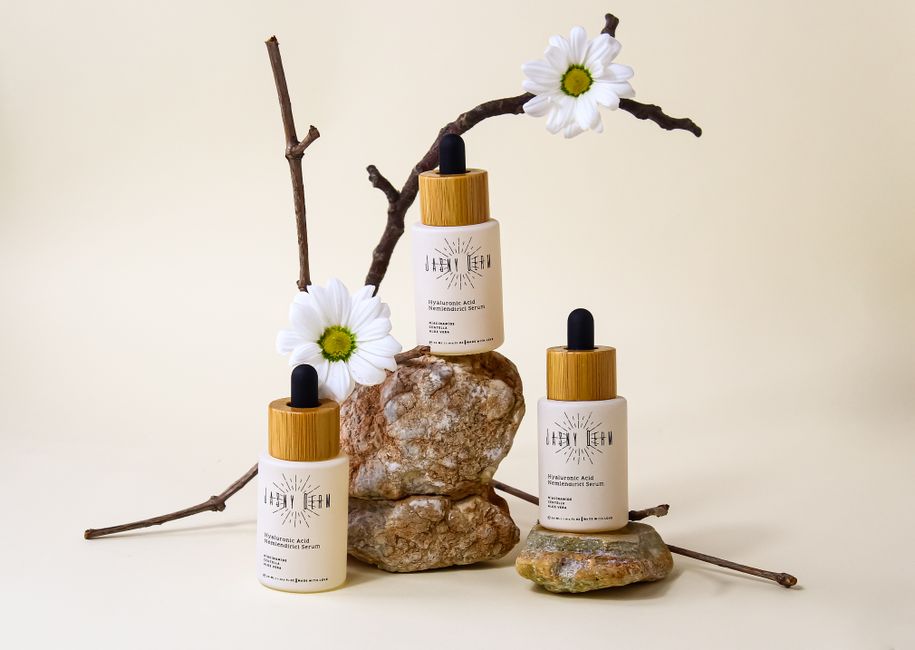
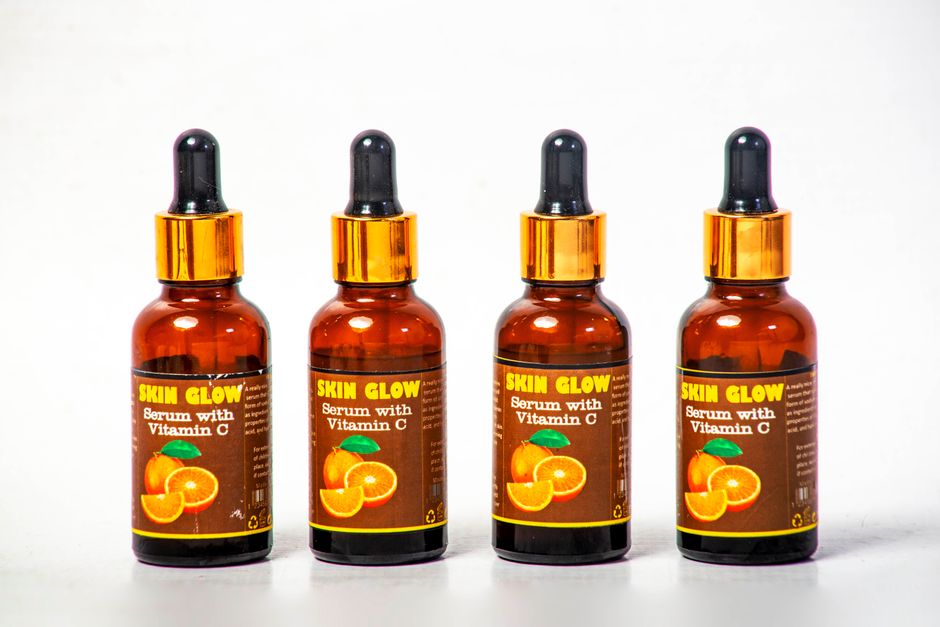
Layering products can be an effective strategy in winter. Starting with a hydrating serum or toner containing humectants can boost skin’s water content, followed by a barrier repair cream to seal in that moisture. Additionally, incorporating occlusive balms or ointments on extreme dry patches may provide extra protection. However, it is essential to avoid overloading the skin, as too many layers may cause congestion or breakouts in some individuals.
Additional Winter Skincare Considerations
Beyond moisturization, other habits can influence skin health during winter. Cleansing practices should be adjusted to avoid stripping the skin’s natural oils. Using lukewarm water instead of hot water, and choosing gentle, sulfate-free cleansers, can preserve barrier integrity. Limiting exfoliation to once or twice a week, and using mild exfoliants, may also reduce the risk of irritation.
Protecting the skin from the elements is equally important. Wearing gloves, scarves, and hats can shield exposed areas from wind and cold. Sunscreen remains a necessary step even in winter, as UV rays can reflect off snow and contribute to skin damage. Also, maintaining indoor humidity with a humidifier can help counteract the drying effects of heating systems.
Diet and hydration may play a supportive role as well. While the evidence linking specific nutrients to skin hydration is limited, staying well-hydrated and consuming foods rich in essential fatty acids, such as fish and nuts, may contribute to overall skin health. Nevertheless, these factors are part of a holistic approach and should not replace professional medical advice.
Developing a Winter Skincare Routine
Creating a consistent routine that addresses winter-specific needs can be beneficial. A basic approach might involve a gentle cleanser, a moisturizer appropriate for the skin type, and targeted treatments for specific concerns. For instance, individuals with dry, sensitive skin may benefit from a cream that contains ceramides and soothing ingredients like oats or aloe. Those with oily or combination skin might prefer a lighter lotion or gel, but still may need to layer an occlusive at night.
Nighttime routines often require richer moisturizers to support the skin’s overnight repair processes. Applying a heavier cream before bed can help prevent nocturnal water loss. Some products are specifically marketed as night creams or sleeping masks, but a standard barrier cream used generously can serve the same purpose.
It is important to remember that skincare is not one-size-fits-all. Observing how the skin responds and adjusting the routine accordingly is essential. For example, if a product causes stinging or increased redness, it may not be suitable for that individual’s barrier status. Consulting with a dermatologist can provide personalized advice, especially for those with persistent or severe dryness.
In summary, winter skincare focuses on protecting and supporting the skin’s barrier function through appropriate product selection and application techniques. While barrier repair creams and proper layering can be helpful, their effectiveness depends on multiple factors, including environmental conditions and individual skin characteristics. By adopting a mindful and flexible approach, individuals can maintain skin comfort during the colder months.